
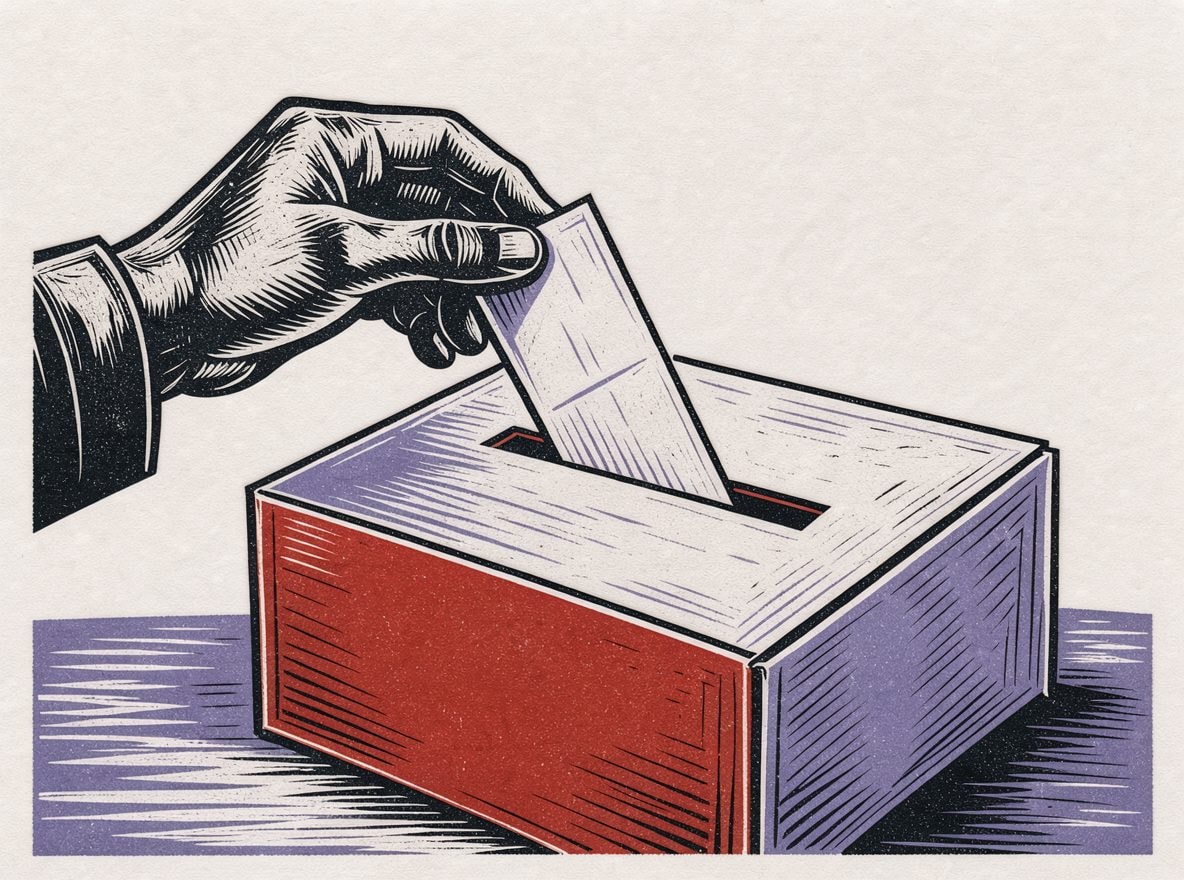
A newspaper asked its neighbors
In September 2020, Out & About Nashville asked elected officials, organizers and candidates what they thought LGBTQ Tennesseans had at stake in the election. Their opinions appeared in the paper’s October issue. They are worth reading in that setting. A state legislative candidate was watching something different from a city council member or a former Pride organizer.
Chris Sanders of the Tennessee Equality Project thought dissatisfaction with the president could drive people to the polls and affect down-ballot races. Brandon Thomas, a candidate for the state House, pointed to redistricting. The lawmakers chosen in that election would help decide how lines were drawn after the census. A single line on a map could change who represented part of Nashville.
Sanders counted three LGBTQ candidates for the Tennessee House. He had also heard from people standing for local offices in Johnson City and Clarksville. Thomas, running in House District 49, had Nashville’s congressional seat in mind. A new boundary could split up the voters who had sent the sitting representative to Washington. His concern extended to districts for the state House and Senate. In all three places the voters would have to live with decisions made after the census.
The courts, the count and the neighbors
Metro Council member Brett Withers saw judicial appointments as a central issue. Many civil rights disputes had been decided in court, and judges would continue to interpret new legislation. Senator Sara Kyle raised adoption, the treatment of LGBTQ families and the effect of lifetime appointments. Brandon Marshall, then the mayor’s LGBTQ liaison, coupled the election with the census. Being counted would matter well after November.
Joseph Woodson, a former Pride president, asked readers to think about the limits of talking only among friends. Elizabeth Madeira, then running for the state House, put the pandemic and the spread of disinformation together. And council member Nancy VanReece reflected that she had been in kindergarten at the time of Stonewall. No one person, she wrote, could speak for a community with so many backgrounds and experiences.
Withers sent his answer before the death of Justice Ruth Bader Ginsburg. The editor was writing on September 19, the following morning. For Withers, the composition of the Senate mattered alongside the presidency. A city might pass a protection for its residents and still find itself in court if a higher level of government tried to override it. Kyle’s answer began with the words “Dignity and respect are on the ballot in 2020.”
Marshall described checking with friends about two quite separate things. Had they registered to vote? Had they filled out the census? Woodson wanted people to notice what happened in a room where everyone looked like them. He wrote about challenging racism and bisexual erasure among friends, about listening to someone who could not afford to tune out, and about the difference between posting an opinion and showing up for another person. VanReece remembered a piece of advice from her mother. “Do something every day that will matter tomorrow.”
Marisa Richmond’s case for the ticket
In a separate October 19 opinion piece, Marisa Richmond explicitly endorsed Joe Biden and Kamala Harris. She wrote about trans representation among Democratic delegates, the party platform and her hopes for the Equality Act. She also connected LGBTQ rights with health coverage, climate policy, public education, the judiciary, racial justice and human rights abroad. These were Richmond’s arguments and expectations in the fall of 2020.
Richmond counted 35 trans and gender-nonconforming delegates at the Democratic convention. She pointed to that record number and praised the platform’s language on LGBTQ issues. Her hopes for the Equality Act depended on who controlled the Senate as well as who won the White House. She also named military service, housing and access to health care as issues with immediate consequences for trans people.
Her argument then took readers well beyond the convention. The wildfires in the western states led her to the Paris climate agreement. The cost to a family when someone needed hospital care led her to the Affordable Care Act. She discussed Jill Biden’s career as an educator, the next president’s choice of federal judges, the Black Lives Matter movement and the treatment of LGBTQ people abroad. Together, the survey and the opinion page let readers hear both a party endorsement and the particular local questions that a presidential ballot could leave unresolved.